


Are you an aspiring Mixed Martial Arts athlete looking to maximize your performance and stay injury-free? MMA fighters must stay fit in a sport that emphasizes body contact.
While most of you are mindful of your health and perform customary stretching routines, it takes much more than spotty warmups to ensure long-term success.
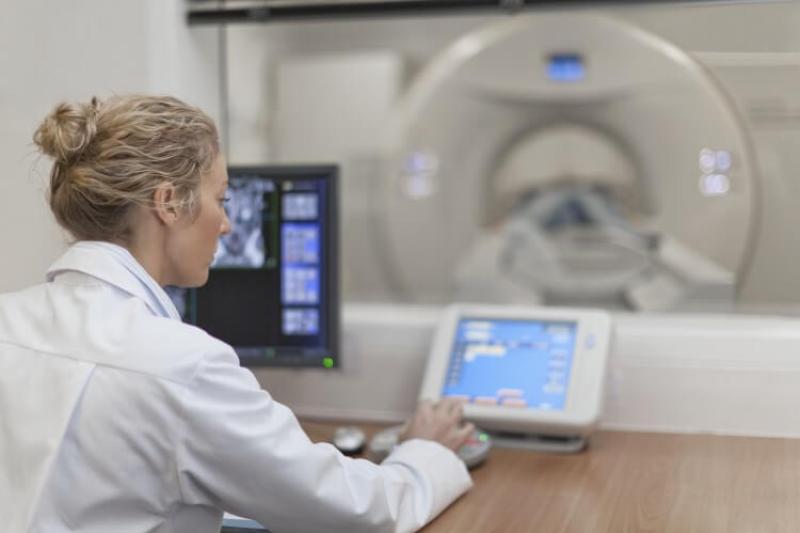
It’s time to take advantage of medical imaging technologies – they can be applied by athletes at different levels, from recreational hobbyists all the way up to professionals competing in big leagues.
To help you, we’ll take a deeper dive into how medical imaging helps prevent injuries and aid in recovery. We’ll also discuss what are various types of imaging used for injury prevention and what are the benefits of leveraging this for your own MMA performance.
How Medical Imaging Helps Prevent Injury and Aid in Recovery
A sort of medical technology called medical imaging is used to take precise pictures of the inside body structures. It can be used for injury prevention, as well as for diagnostic and healing purposes.
It aids in the diagnosis of bodily disorders already present that, if not appropriately addressed, could lead to injuries. Medical imaging has the ability to identify injuries before they are obvious to the human eye in specific situations, such as when sportsmen are healing from damaged ligaments.
This enables doctors to suggest preventive actions that can lower the risk of re-injury. This refers to the capacity to swiftly recognize physical weaknesses or instability in your body.
It makes the appropriate corrections to enhance performance and recuperation for MMA players. Medical imaging tests can also assess damage recovery. It helps doctors decide if you need further therapy and how long you will wait before fighting again.
Types of Medical Imaging Technologies Used for Injury Prevention
Medical imaging technologies are painless and safe ways to examine your body. It’s particularly important in MMA sports, where injuries can be difficult to diagnose and treat. The following are a few of the medical imaging technologies used to prevent injuries:
– X-Ray: This imaging is used to assess fractures, joint deformities, spinal anomalies, and other injuries that may affect MMA performance.
– MRI: Radiofrequency transmissions and strong magnets create detailed images of your body’s internal structure. It diagnoses and treats muscle and joint ailments.
– CT (Computed Tomography): X-rays provide a detailed image of your body. It detects fractures, soft tissue damage, spinal cord injuries, and other significant fighting career-threatening conditions.
These medical imaging technologies are commonly utilized for injury prevention and healing. Doctors can better diagnose and treat injuries with improved imaging.
Benefits of Leveraging Medical Imaging for MMA Performance
Medical imaging is an important tool for MMA athletes. It can help them identify and treat existing injuries, as well as prevent future ones like we’ve mentioned above. Here are some key advantages of leveraging medical imaging:
Early Detection of Injury
It can detect injuries before they become visible to the naked eye. Plus, medical imaging can be used to monitor progress and assess healing time.
This enables MMA players to rest or treat the wounded area more quickly and effectively. Medical imaging, for instance, enables clinicians to identify knee injuries promptly.
Improved Performance
Additionally, it aids in performance improvement. This is due to the fact that it evaluates the stability and strength of particular body parts, enabling you to recognize weak points and strengthen them.
Additionally, it might assist you in spotting any prospective health problems before they worsen. As a result, you can guarantee that your body is in excellent shape before each bout.
Enhanced Recovery
As early detection of injury is possible, recovery time can be reduced significantly. It also allows doctors to see the impact of rehabilitation and how the body progresses with treatment.
It can also help in assessing any issues that might emerge throughout the healing process. This implies that you are free to make whatever required changes to your training and way of life to hasten your recovery.
Conclusion
Medical imaging is an invaluable tool for MMA athletes. It offers the capability to detect potential issues and keep athletes healthy, as well as providing a valuable means of performance monitoring and recovery tracking.
It can also help you maintain peak physical condition, reduce the risk of injury, and improve your overall performance in the ring. So make sure you consider the above information and incorporate medical imaging into your training regimen for the best possible results. Good luck!
Read Also
- Full-Arch Dental Tourism: Why UK Patients With Severe Bone Loss Are Looking Abroad
 Dental implants have become one of the fastest-growing segments of private dentistry. Within that market, one patient group behaves very differently from the rest: people who have been told they do not have enough upper jawbone for conventional implants. For these patients, the choice is rarely between one clinic and another. It is between a… Read more: Full-Arch Dental Tourism: Why UK Patients With Severe Bone Loss Are Looking Abroad
 - Levels of Mental Health Care and When to Seek SupportMental health care can range from occasional outpatient appointments to 24-hour hospital treatment. The appropriate level depends on safety, symptom severity, daily functioning, medical needs, available support, treatment history and personal preferences. A licensed clinician should assess these factors rather than relying on a symptom list alone. Need help now? In the United States, call… Read more: Levels of Mental Health Care and When to Seek Support
- How to Choose a Shilajit Brand Based on the ResearchIn a randomized trial published in the Journal of the International Society of Sports Nutrition in 2019, 63 active men took 250 mg of standardized shilajit, 500 mg, or a placebo every day for eight weeks, and the benefit for strength retention after a fatiguing workout appeared only at 500 mg. For anyone choosing a… Read more: How to Choose a Shilajit Brand Based on the Research
- How to Incorporate Relaxation into Your Busy ScheduleFinding balance when you have a packed daily agenda often feels out of reach. Between work duties, family obligations, and personal projects, personal rest usually gets pushed to the bottom of the list. Small, intentional shifts in daily habits can help restore calm without requiring hours of extra free time. Continue reading to discover everything… Read more: How to Incorporate Relaxation into Your Busy Schedule
- Red Light Therapy for Skin and Wellness: Meet Vital Red Light TherapyModern wellness is not always about complicated treatments or long routines. Many people are now looking for simple, convenient ways to support their skin, recovery, and overall wellness at home. One technology getting more attention is red light therapy. Red light therapy uses specific wavelengths of red and near-infrared light to support the body’s natural… Read more: Red Light Therapy for Skin and Wellness: Meet Vital Red Light Therapy





